
Why Zero-Waste Living Makes Financial Sense
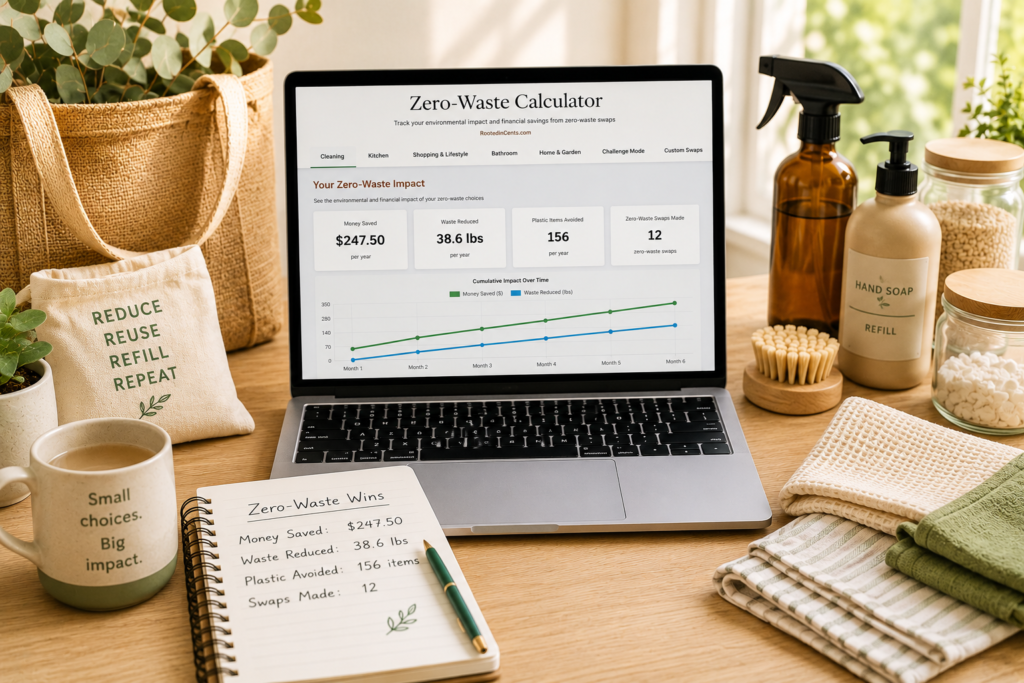
Think eco-friendly living is expensive? Our Zero-Waste Calculator shows how sustainable choices can actually save you hundreds of dollars annually while reducing environmental impact.
The average household throws away $1,500 worth of food annually and spends hundreds more on single-use products that could be replaced with reusable alternatives. Zero-waste living isn’t just about environmental responsibility; it’s a powerful money-saving strategy that reduces waste while putting money back in your pocket.
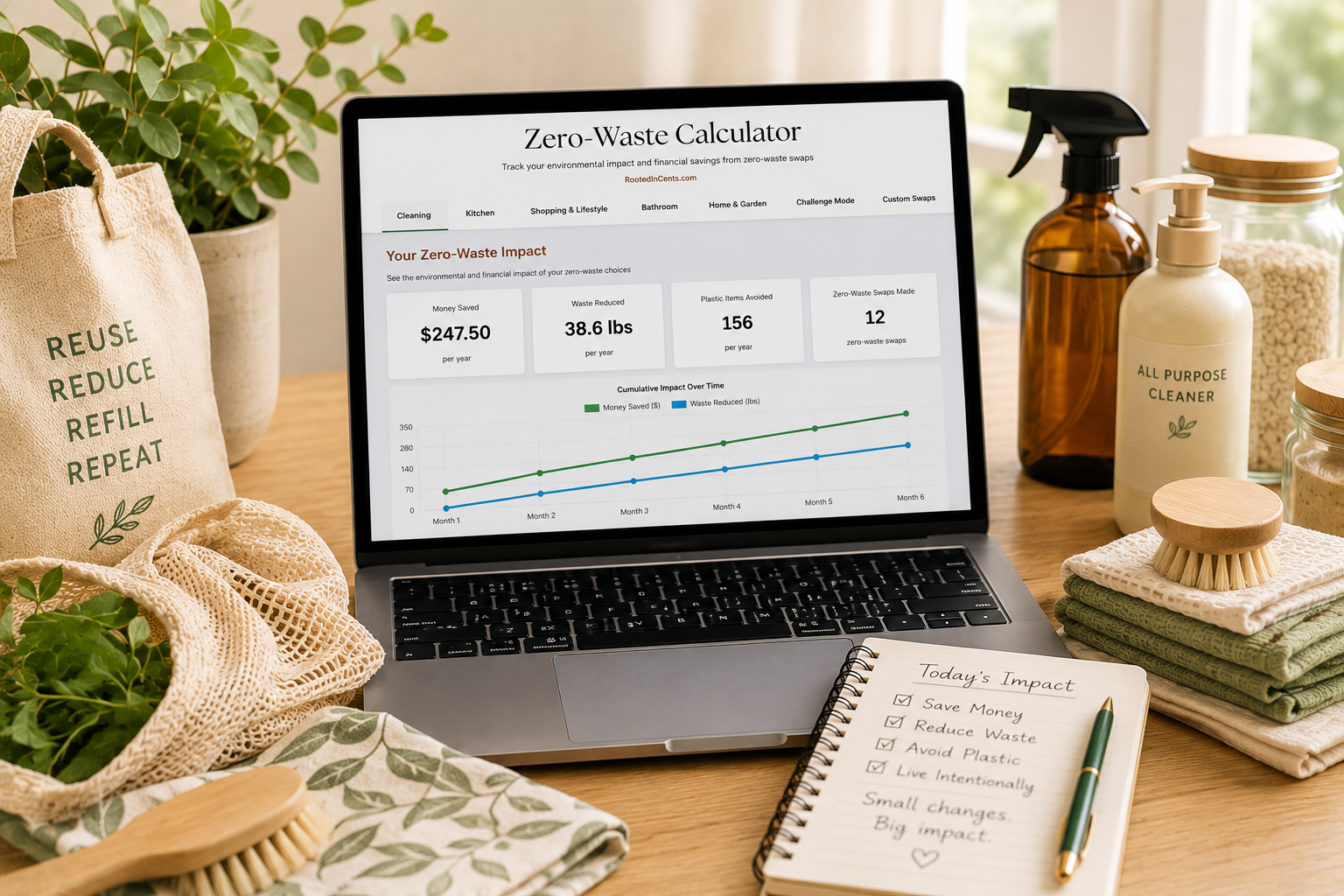
Our Zero-Waste Calculator helps you identify specific areas where sustainable swaps can reduce both your environmental footprint and your monthly expenses.
Comprehensive Features of the Zero-Waste Calculator
Household Category Analysis
- Kitchen and Food: Calculate savings from meal planning, food preservation, and bulk buying
- Cleaning Products: Compare costs of homemade vs. commercial cleaning supplies
- Personal Care: Analyze reusable alternatives to disposable hygiene products
- Shopping and Lifestyle: Evaluate reusable bags, containers, and packaging alternatives
- Home and Garden: Assess composting, water conservation, and energy efficiency savings
Cost-Benefit Analysis
- Initial Investment vs. Long-term Savings: Calculate payback periods for reusable products
- Quality and Durability: Factor in lifespan differences between disposable and reusable items
- Time Investment: Consider time costs for DIY alternatives and batch preparation
- Convenience Trade-offs: Balance savings against lifestyle changes
Environmental Impact Tracking
- Waste Reduction: Quantify pounds of waste diverted from landfills
- Carbon Footprint: Estimate reduction in household carbon emissions
- Resource Conservation: Track water and energy savings from sustainable practices
How to Use the Zero-Waste Calculator
Step 1: Assess Current Spending
Input your monthly spending on disposable products, cleaning supplies, food waste, and single-use items across all household categories.
Step 2: Select Sustainable Swaps
Choose which zero-waste alternatives you’re willing to try, from simple swaps like reusable water bottles to more involved changes like homemade cleaning products.
Step 3: Set Implementation Timeline
Plan gradual adoption of sustainable practices rather than trying to change everything at once, which helps with both budget and habit formation.
Step 4: Review Projected Savings
See detailed breakdowns of potential savings, initial investment costs, and timeline for financial payback from each sustainable choice.
Real-World Benefits of Zero-Waste Living
Substantial Annual Savings
Families adopting zero-waste practices typically save $500-$2,000 annually through reduced purchasing, less food waste, and reusable product investments.
Improved Health Outcomes
Many zero-waste swaps eliminate exposure to harmful chemicals in commercial products while encouraging more home cooking and natural alternatives.
Simplified Living
Reducing consumption often leads to less clutter, easier maintenance, and more intentional purchasing decisions that align with actual needs.
Family Education and Values
Zero-waste practices teach children about resource conservation, environmental responsibility, and thoughtful consumption habits.
High-Impact Zero-Waste Swaps That Save Money
Kitchen and Food Savings
- Reusable food storage containers instead of disposable bags and wrap
- Bulk buying with your own containers to reduce packaging costs
- Meal planning to reduce food waste and impulse purchases
- Composting to create free fertilizer and reduce garbage disposal costs
Cleaning and Personal Care
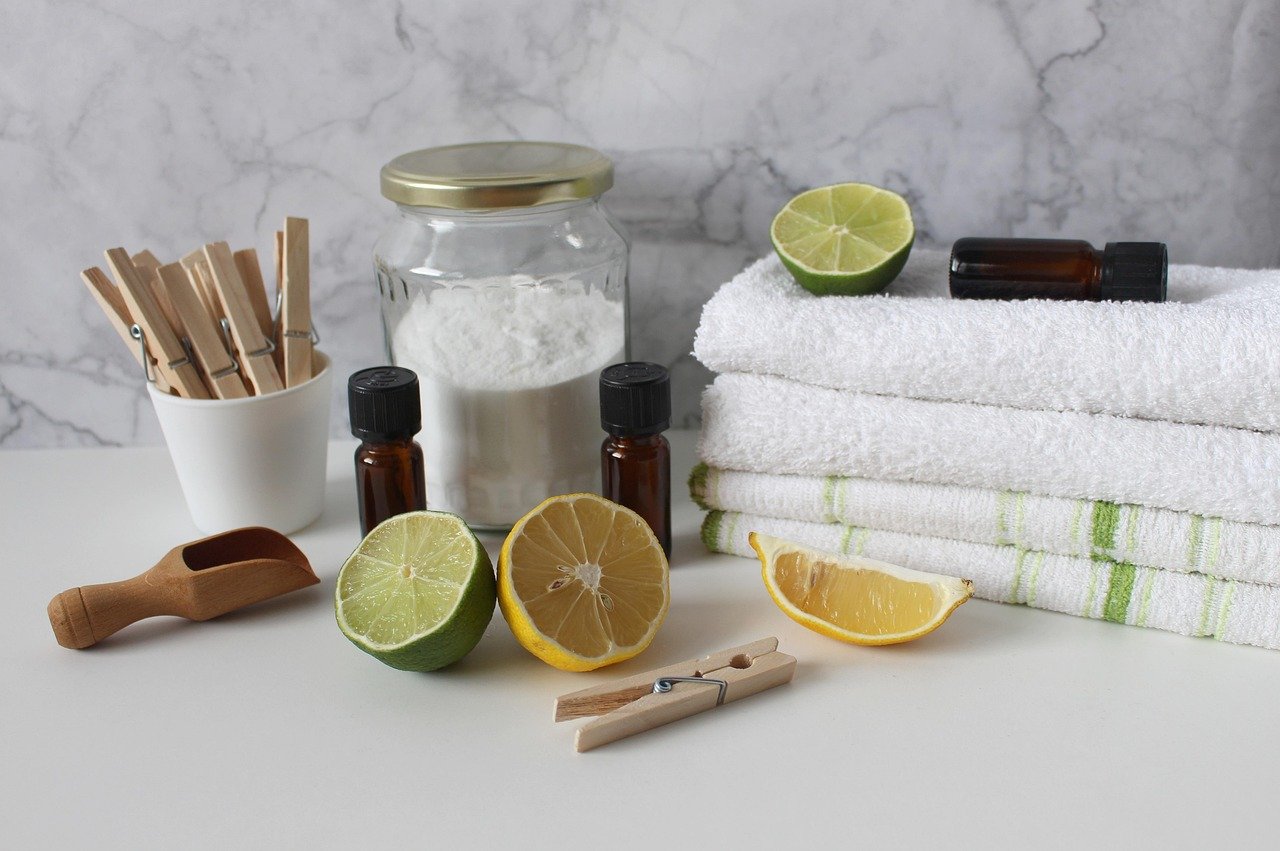
- Homemade cleaning products using basic ingredients like vinegar and baking soda
- Reusable cleaning cloths instead of paper towels
- Bar soap and shampoo bars to eliminate plastic packaging
- Safety razors with replaceable blades instead of disposable razors
Shopping and Lifestyle
- Reusable shopping bags, water bottles, and coffee cups
- Buying secondhand or choosing quality items that last longer
- Repair and mend items instead of replacing them
- Digital receipts and bills to reduce paper and storage costs
Overcoming Common Zero-Waste Objections
“Zero-Waste Products Are More Expensive”
While initial costs may be higher, the per-use cost is typically much lower. A $20 reusable water bottle saves hundreds compared to buying bottled water over its lifetime.
“It Takes Too Much Time”
Start with simple swaps that require no additional time, like using reusable bags. Add more involved practices gradually as habits form.
“My Family Won’t Cooperate”
Begin with changes that don’t affect daily routines, then involve family members in choosing which sustainable practices to try next.
“It’s Not Convenient”
Focus on swaps that actually increase convenience, like having reusable containers always available instead of running out of disposable ones.
Getting Started with Zero-Waste on a Budget
Start with What You Have
Use glass jars for food storage, old t-shirts for cleaning rags, and existing containers before buying new zero-waste products.
Make Gradual Transitions
Replace disposable products as you run out rather than throwing away existing supplies. This spreads costs over time and reduces waste.
Focus on High-Use Items First
Prioritize swaps for products you use daily or weekly, as these provide the quickest return on investment and biggest impact.
DIY When Possible
Many zero-waste alternatives can be made at home for a fraction of the cost of purchasing specialty products.
Measuring Your Zero-Waste Success
Track Financial Savings
Monitor changes in spending categories affected by zero-waste swaps to quantify your savings and stay motivated.
Measure Waste Reduction
Notice how often you take out trash and recycling. Many zero-waste families reduce waste by 75% or more.
Document Quality of Life Changes
Pay attention to improvements in home organization, meal satisfaction, and overall sense of environmental responsibility.
Calculate Environmental Impact
Use online calculators to estimate your household’s carbon footprint reduction and waste diversion achievements.
Start Your Zero-Waste Journey Today
Zero-waste living proves that environmental responsibility and financial wisdom go hand in hand. By making thoughtful swaps and reducing waste, you can significantly lower your household expenses while creating a healthier home environment.
Don’t let misconceptions about cost prevent you from exploring sustainable alternatives that could save your family hundreds of dollars annually while reducing environmental impact.
Ready to save money while going green?
Use our Zero-Waste Calculator and discover your family’s potential for sustainable savings.
Part of the RootedinCents.com sustainable living toolkit. Explore more eco-friendly money-saving strategies in our complete resource library.


